Benefits of Occupational Therapy for Daily Life
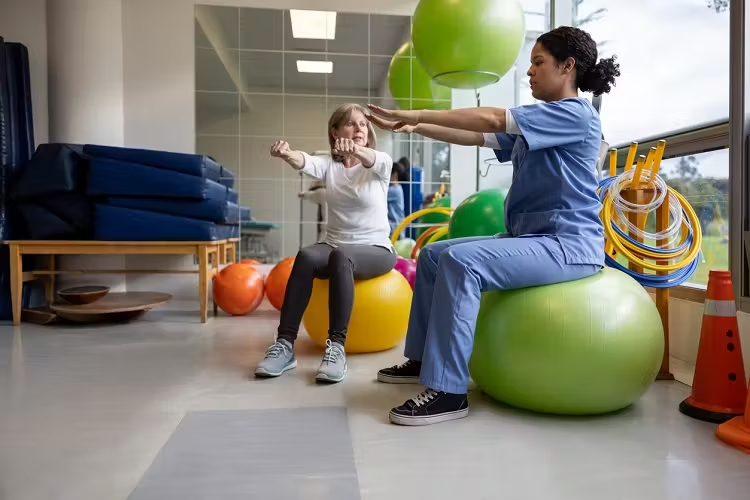
In today’s fast-paced world, maintaining independence in daily activities is essential for a healthy and fulfilling life. However, due to injury, illness, or developmental challenges, many individuals struggle with routine tasks. This is where Occupational Therapy plays a vital role.
Occupational therapy focuses on helping individuals perform everyday activities with greater ease, confidence, and independence. Whether it’s a child learning basic skills or an adult recovering from an injury, occupational therapy can significantly improve quality of life.
What is Occupational Therapy?
Occupational therapy (OT) is a specialized form of therapy designed to help people develop, recover, or maintain the skills needed for daily living and working.
These activities, often called “occupations,” include:
-
Eating and drinking
-
Dressing and grooming
-
Writing and using tools
-
Working and studying
-
Social interaction
Occupational therapists assess a person’s physical, emotional, and cognitive abilities to create a personalized treatment plan.
Who Needs Occupational Therapy?
Occupational therapy is beneficial for people of all age groups, including:
👶 Children
-
Developmental delays
-
Autism spectrum disorders
-
Learning difficulties
-
Sensory processing issues
👨🦳 Adults
-
Recovery after injuries or surgeries
-
Chronic illnesses
-
Workplace-related stress or injuries
👵 Elderly
-
Age-related mobility issues
-
Memory and cognitive decline
-
Assistance with independent living
Key Benefits of Occupational Therapy
1. Improves Daily Living Skills
One of the primary benefits of occupational therapy is helping individuals perform everyday tasks independently. Therapists train patients in activities such as:
-
Bathing and grooming
-
Cooking and eating
-
Managing household chores
This increases self-reliance and reduces dependency on others.
2. Enhances Motor Skills
Occupational therapy helps improve both fine and gross motor skills.
-
Fine motor skills: Writing, buttoning clothes, using utensils
-
Gross motor skills: Walking, sitting, maintaining balance
Improved motor skills lead to better coordination and control.
3. Supports Cognitive Development
OT also focuses on improving mental functions such as:
-
Memory
-
Attention and concentration
-
Problem-solving
-
Decision-making
This is especially beneficial for individuals recovering from brain injuries or dealing with neurological conditions.
4. Helps Children Achieve Developmental Milestones
For children, occupational therapy is crucial in achieving age-appropriate skills such as:
-
Holding a pencil
-
Playing with peers
-
Following instructions
It builds confidence and supports overall development.
5. Promotes Independence
A major goal of occupational therapy is to help individuals live independently. By learning adaptive techniques and using assistive devices, patients can perform tasks without constant help.
6. Assists in Injury Recovery
After injuries, surgeries, or medical conditions like stroke, occupational therapy helps individuals regain lost skills and return to their normal routine.
It focuses on:
-
Strengthening muscles
-
Improving coordination
-
Restoring functional abilities
7. Improves Mental Health and Well-being
Occupational therapy also supports emotional health by:
-
Reducing anxiety and stress
-
Increasing self-confidence
-
Encouraging participation in meaningful activities
A balanced routine leads to a healthier mind.
8. Enhances Workplace Performance
For working professionals, OT can:
-
Improve ergonomics
-
Reduce strain and injuries
-
Increase productivity
It helps individuals perform job-related tasks more efficiently.
9. Provides Personalized Therapy Plans
Every individual is unique, and occupational therapy offers customized treatment plans based on specific needs and goals. This ensures effective and targeted results.
10. Supports Elderly Care
For older adults, occupational therapy helps maintain independence by:
-
Preventing falls
-
Improving mobility
-
Assisting with daily routines
It enhances safety and quality of life.
Common Techniques Used in Occupational Therapy
Occupational therapists use a variety of techniques, including:
-
Activity-based training
-
Sensory integration therapy
-
Hand therapy exercises
-
Adaptive equipment training
-
Environmental modifications
These methods are tailored to suit individual needs.
Home Tips to Support Occupational Therapy
To maximize the benefits of occupational therapy, individuals and caregivers can follow these tips:
-
Practice exercises regularly
-
Maintain a structured daily routine
-
Use recommended assistive tools
-
Create a safe and comfortable environment
-
Encourage independence
Consistency is key to achieving long-term results.
When Should You Consider Occupational Therapy?
You should consult an occupational therapist if you notice:
-
Difficulty performing daily tasks
-
Delayed development in children
-
Reduced mobility or coordination
-
Challenges after injury or surgery
-
Difficulty focusing or managing tasks
Early intervention leads to better outcomes.
Conclusion
Occupational Therapy is a powerful tool that helps individuals regain independence, improve daily functioning, and enhance overall quality of life. From children to the elderly, it supports people at every stage of life.
With the right guidance, consistent practice, and a personalized approach, occupational therapy can bring meaningful and lasting improvements in everyday living.