

Building the Skills for a Confident Independent Life.
From holding a pencil and tying shoelaces to managing sensory meltdowns. Our Master’s Qualified Occupational Therapists help children overcome physical, sensory, and cognitive barriers so they can thrive at home and excel in school.
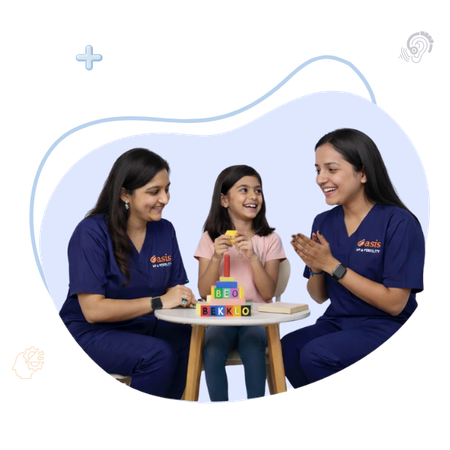
Building the Skills for a Confident Independent Life.
From holding a pencil and tying shoelaces to managing sensory meltdowns. Our Master’s Qualified Occupational Therapists help children overcome physical, sensory, and cognitive barriers so they can thrive at home and excel in school.
Is Your Child Struggling with the "Little Things"?
The Sensory Overload
Does your child cover their ears at everyday sounds, hate the feeling of clothing tags, or constantly seek movement (jumping/crashing)?
The Classroom Frustration
Is their handwriting messy, or do they complain that their hand hurts after writing for just a few minutes?
The "Clumsy" Phase
Does your child frequently bump into things, trip, or struggle to catch a ball or ride a bike?
The Daily Battles
Are mornings exhausting because getting dressed, brushing teeth, or eating certain textures feels like a massive challenge?
✨ The Reality
Your child isn’t being “difficult” or “lazy.” These are often signs of underlying motor or sensory processing challenges. With the right Occupational Therapy, these tasks can become effortless.
Comprehensive Therapy for School, Play, and Life
We use a neuro-developmental approach to build foundational skills.
Sensory & Emotional Regulation
-
Sensory Integration Therapy Tailored sensory activities (using swings, deep pressure, and tactile play) to help the brain better process sights, sounds, and textures. This drastically improves body awareness and behavior regulation.
-
Feeding Therapy (Sensory Issues) Specialized support for "picky eaters" who refuse foods based on texture, temperature, or taste, helping them expand their diet without stress.
Academic & Fine Motor Success
-
Fine Motor Development Fun, targeted exercises to improve hand strength, finger control, and hand-eye coordination—essential for cutting with scissors, playing, and self-care.
-
Handwriting Training Structured practice sessions to correct pencil grip, improve letter formation, manage spacing, and increase writing neatness and speed for school success.
Physical Coordination & Independence
-
ADL (Activities of Daily Living) Training Step-by-step coaching to help your child master essential life skills like dressing, grooming, buttoning, and using utensils.
-
Motor Planning & Coordination Strengthening the body's core and improving "praxis" (the brain's ability to plan and execute a physical movement, like navigating an obstacle course).
Why True Progress Requires a Master’s Degree
Telling a child to “try harder” to write neatly or “just eat it” doesn’t work if their nervous system is overwhelmed. At Oasis, your child is evaluated and treated exclusively by Master’s Qualified Occupational Therapists (MOT).
Neurological Focus
We don't just treat the symptom (messy handwriting); we treat the root cause (poor core stability or tactile defensiveness).
A State-of-the-Art OT Gym
Our clinic is equipped with specialized sensory integration tools—therapeutic swings, crash pads, and tactile boards—designed to feel like a playground while delivering clinical results.
Real-World Application
We bridge the gap between the clinic and real life, providing strategies you can use at home and accommodations you can share with their teachers.
A Fun, Step-by-Step Path to Independence
Frequently Asked Questions
Clear answers from Gujarat’s most qualified rehabilitation team.
What is the difference between Physical Therapy (PT) and Occupational Therapy (OT)?
Physical Therapy generally focuses on gross motor skills and mobility (walking, recovering from injury). Occupational Therapy focuses on the specific skills needed for “daily occupations”—which for a child means playing, learning, and self-care (fine motor, sensory, handwriting).
How do I know if my child’s picky eating is a sensory issue?
If your child gags when touching certain foods, strictly limits their diet to one texture (like only crunchy or only soft foods), or has severe meltdowns at the sight of new foods, it is likely a sensory processing issue, not just typical toddler behavior.
Does my child have Sensory Processing Disorder (SPD)?
Only a qualified OT can assess this. If your child is constantly seeking intense movement, or conversely, terrified of loud noises and crowded spaces, a sensory profile assessment is the best next step to understand their needs.